Loire Valley Wine Tasting: Vouvray, Chinon, Bourgueil and Saumur
The middle Loire pours two grapes above all: Chenin Blanc for the whites and Cabernet Franc for the reds. Weighing up loire valley wine tours? Learn which town makes which wine and you will know which day to book.
The appellations the tours pour
Touraine alone, from Montsoreau to Blois, holds 17 appellations, according to InterLoire, the Loire wine trade body. You do not need all of them. The tours concentrate on the four below, plus the broad Touraine label.
| Appellation | Grape | Styles | Where the tours taste it |
|---|---|---|---|
| Vouvray | Chenin Blanc | Dry to sweet whites, sparkling | Half-day and morning tastings from Tours |
| Chinon | Cabernet Franc, some Chenin Blanc | Reds, rosés, a little white | Chinon bike ride, picnic, full-day tours |
| Bourgueil | Cabernet Franc | Light to structured reds, rosé | Full-day tours from Tours |
| Saumur Fines Bulles | Chenin Blanc, with Cabernet Franc for rosé | Sparkling white and rosé | The Saumur e-bike ride |
| Touraine | Several grapes | White, red, rosé, sparkling | Estates around Amboise and Chenonceau |
Vouvray: Chenin Blanc in chalk cellars
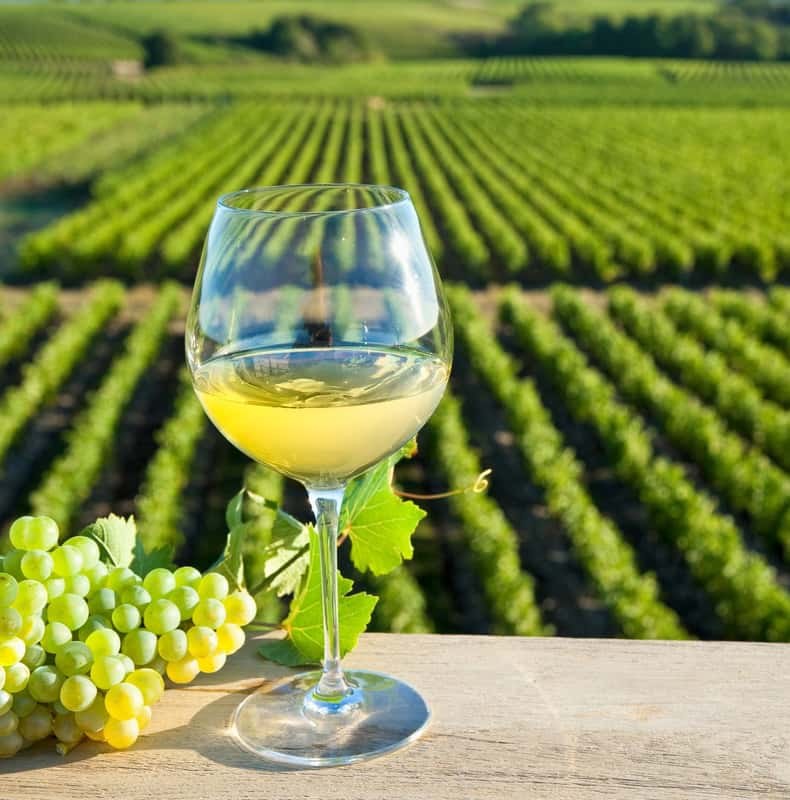
Vouvray begins at the eastern edge of Tours and covers seven communes on the right bank of the Loire and along the Brenne and the Cisse. It makes white wine only, from the Chenin Blanc grape, in every style from dry to sweet, plus sparkling. The cellars are dug deep into the chalk of the hillsides, and that steady cool is why a good Vouvray keeps for ten years or more.
This is the easiest wine area to reach from Tours, and a morning is enough for two estates. Ask to taste the same grape dry and sweet, side by side: it shows you what the appellation does.
Chinon: Cabernet Franc on the Vienne
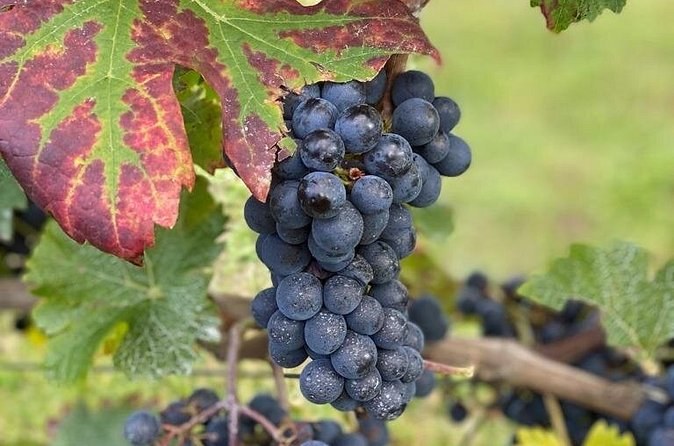
West of Tours the wine turns red. Chinon spreads over 26 communes on both banks of the Vienne, down to where it meets the Loire, and Cabernet Franc is its main grape. Young Chinon is light and full of red fruit; older bottles move towards black fruit and spice.
Bourgueil: Cabernet Franc across the Loire
Bourgueil sits on the right bank of the Loire across from Chinon, with about 1,200 hectares of vines over seven communes. Cabernet Franc rules here too, and locals call it Breton. Wines from gravel are lighter; wines from the tuffeau slopes are built to age. The full-day tours from Tours taste both, so you can compare the two banks in one afternoon.
Saumur: sparkling wine in tuffeau caves
Saumur's sparkling wine comes from about 1,400 hectares on two hillsides south of the Loire. As early as the 15th century, producers noticed that wine bottled in winter could start fermenting again in spring and sparkle. The method was mastered in the early 19th century, and the appellation was recognised in 1957.
Chenin Blanc gives the white its aromas, and Cabernet Franc goes into the rosé. The bottles mature in cellars cut into tuffeau, the white stone of the châteaux, and a visit usually takes you underground. The e-bike ride from Saumur reaches the cellars without a car.
How a tasting works: age, pacing and food
A cellar visit usually starts in the vines or the cave and ends at the tasting counter. Your guide will adjust the talk to what you already know, so say whether you are new to wine or not.
- Check the age rule. Most wine days here are 18+, and each card says so.
- Eat first, or book food. Several tastings serve cheese and charcuterie; others pour on an empty stomach.
- Let the host set the order. Ask why the wines come in that sequence; it tells you how the estate thinks.
- Spit if you are counting glasses. Ask for the spittoon; it is normal practice.
- Ask about shipping before you buy. Find out whether the estate sends bottles abroad.
Buying and carrying bottles home
Estates sell at the cellar door, and buying a bottle or two is normal after a tasting. Ask before the tasting ends whether the estate ships abroad, since not every one does. If you are flying, pack bottles in checked luggage. Wine bought on a minivan tour rides back with you, so nothing needs to be carried far.
Markets are another place to buy. Amboise's market sells wines of the Touraine-Amboise appellation beside the cheese and vegetables. See Loire Valley markets for days and times.
Wine days by format: half-day, full day, bike or picnic
Choose by time first, then by transport. A half-day fits around a château visit; a full day is the wine trip itself.
| Format | How long | What you get |
|---|---|---|
| Half-day tasting | 3–4 hours | Two cellars, often from Tours in a small van |
| Full day | 8–9 hours | Three or four estates, lunch on some, Chinon and Bourgueil |
| Bike or e-bike | 5–6 hours | Pedal between vineyards, tasting and a picnic |
| Picnic in the vines | 2 hours 30 minutes | A basket and a tasting on one estate |
| Private | 3–7 hours | Your party, pickup from your hotel or gîte |
Ready to pick your cellar day?
Compare the wine days by length, meeting point and whether food is served.
Next: see where the estates are on the Loire Valley map, read about Loire Valley historic towns, or compare every day out on Loire Valley Tours.